 Photo: klever · Public domain · source ↗

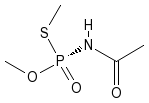
Acephate 75% SP
Acephate is a systemic organophosphate insecticide marketed in India under brand names including Tata Rallis Asataf 75% SP and Star Thiothene. It is one of the most widely used broad-spectrum insecticides for sucking and chewing pests in cotton, vegetables, paddy, tobacco and pulses.
Composition / Active ingredient
- Active ingredient: Acephate
- Formulation: 75% SP (soluble powder)
- Chemical class: Organophosphate
- Common brands: Tata Rallis Asataf, Star Thiothene
Mode of action
Acephate is an acetylcholinesterase (AChE) inhibitor classified under IRAC Group 1B. It is rapidly absorbed and translocated within the plant, providing both systemic and contact activity. In the insect, it disrupts neural transmission by preventing acetylcholine breakdown, leading to paralysis and death.
Target use and dose
Acephate controls sucking pests (aphids, jassids, thrips, whitefly, brown planthopper) and chewing pests (bollworms, leaf folder, stem borer) across cotton, vegetables, tobacco, sugarcane and cereals. The standard foliar dose is 300-400 g/acre. In chilli, a 400 g/acre application is often used in combination with monocrotophos for sucking-pest knockdown.
Safety and regulatory status
As an organophosphate, acephate inhibits AChE in non-target organisms including mammals; users must observe re-entry and pre-harvest intervals on label. Repeated solo sprays in the same season risk resistance build-up in sucking pests, particularly thrips and whitefly; rotation with other IRAC groups such as Acetamiprid (4A), Diafenthiuron Pegasus (12A) or Chlorantraniliprole (28) is the standard resistance-management practice.
Related entries
See also: Monocrotophos Phaskil, Thiamethoxam Actara, Acetamiprid, Diafenthiuron Pegasus.
References
- Tata Rallis Asataf — Acephate 75% SP Insecticide. Cultree.
- Tata Asataf Insecticide — Acephate 75% SP. Kisan Center.