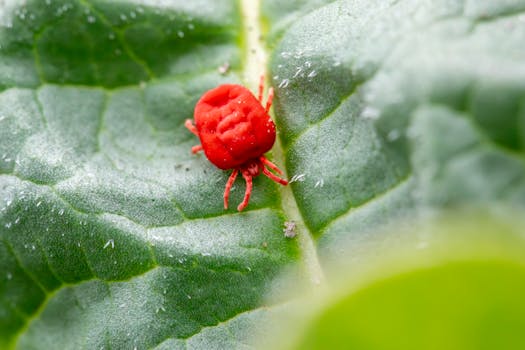
 Photo: Erik Karits · Pexels License · source ↗
Integrated Pest Management (IPM) in vegetables
Integrated Pest Management (IPM) in vegetables is the codified framework combining cultural practices, resistant varieties, biocontrols, neem-based products, pheromone and sticky traps and need-based use of selective insecticides and fungicides. The system replaces calendar spraying with monitoring-driven intervention rotated across modes of action.
Principle
Vegetable crops face short cropping cycles, high pest pressure and economic thresholds that are easily crossed. Single-tactic chemical control accelerates pesticide resistance and disrupts natural enemies. IPM stacks multiple complementary tactics — host-plant resistance, sanitation, traps, biocontrols, selective pesticides at threshold — so that any single failure mode does not collapse the season. Pest scouting and economic threshold levels (ETLs) trigger interventions rather than calendar prescriptions.
Implementation
ICAR-NCIPM is the apex coordinating institute for IPM in India and has validated module-level IPM packages for tomato, brinjal, okra and cole crops. The TNAU Agritech portal publishes operational schedules referenced widely by state extension. Key tools include biocontrol agents (Trichoderma, Pseudomonas, Beauveria), pheromone and sticky traps, neem-based formulations, and ETL-based sprays. Rotation of modes of action is the explicit doctrine for delaying resistance.
Adoption context
ICAR-NCIPM modules cover tomato, brinjal, okra and cole crops with location-specific adaptations for major vegetable-growing states. State Agricultural Universities and KVKs run IPM demonstration plots, and FPOs aggregate biocontrol supplies. The framework is the basis for state-level vegetable pest advisories and for organic and natural-farming production protocols that build on the same scouting discipline.
Limitations
IPM requires trained scouting and record-keeping that many smallholders find difficult to sustain. Biocontrol products have shorter shelf life and narrower temperature ranges than conventional chemistries, complicating supply chains. Adjacent farms still under calendar spraying can compromise area-wide pest management gains. Marketplace acceptance of cosmetic blemish on IPM-grown produce remains uneven.
Related entries
See also Ipm Chilli Spray Schedule, Yellow Blue Sticky Traps, Solar Light Traps, Pheromone Traps, Pesticide Toxicity Colour Codes and Drip Fertigation Vegetables.
References
- IPM Modules. ICAR-National Centre for Integrated Pest Management.
- IPM Schedule for Vegetables. TNAU Agritech Portal.