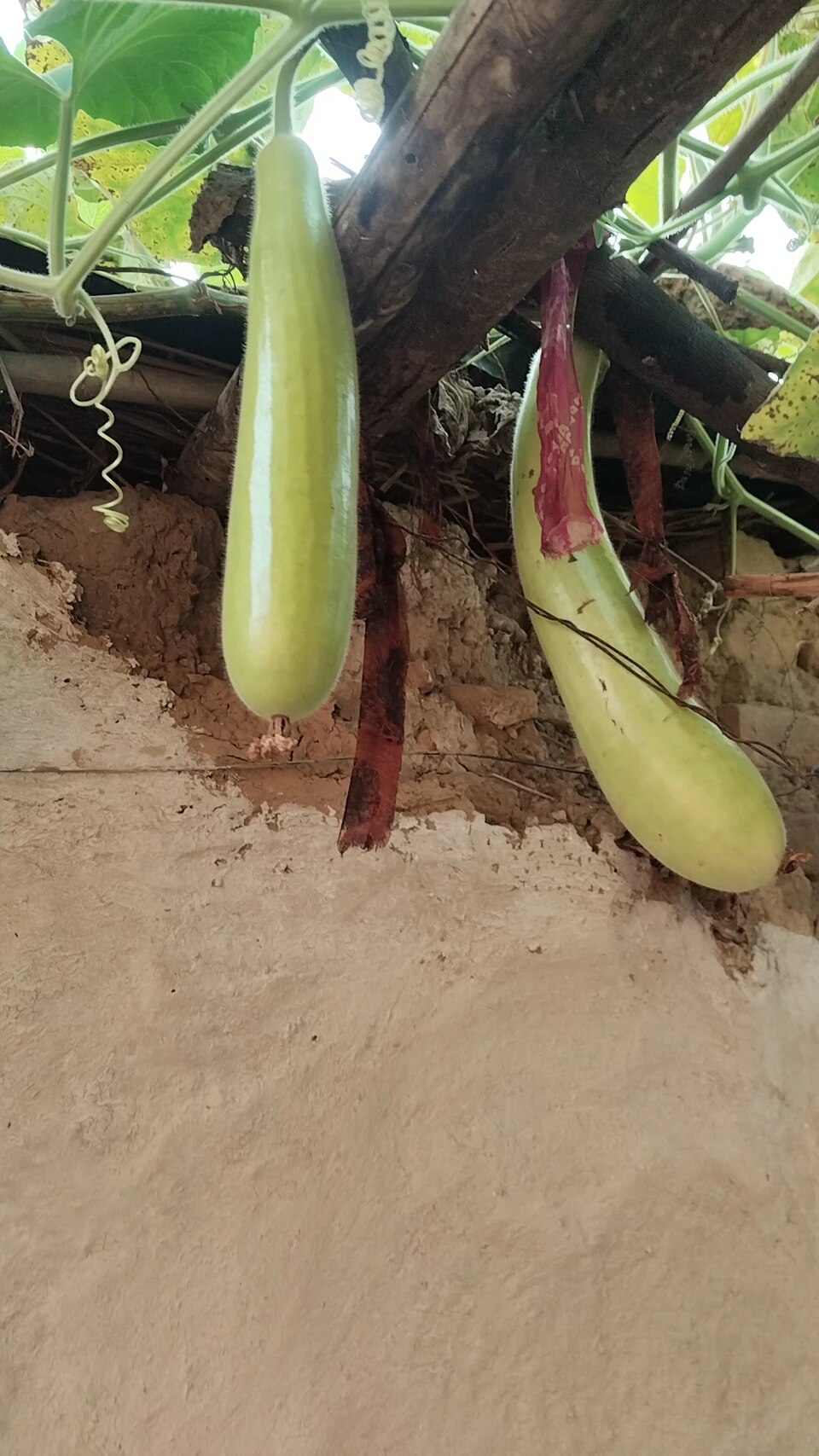
 Photo: MohitSinghRazput · CC BY-SA 4.0 · source ↗
_from_Home_Garden.jpg)
Container / rooftop vegetable farming
Container and rooftop vegetable farming raises leafy greens, tomato, herbs, brinjal and potato in portable plastic drums, fabric grow-bags or pro-trays placed on terraces, balconies and other urban surfaces. The technique transforms otherwise unproductive concrete area into seasonal vegetable output for household consumption and small-scale sale.
Principle
Roofs and balconies offer adequate sunlight but no soil, weight capacity for only shallow root volumes and frequent water stress because of wind and elevated temperatures. The container system addresses each constraint: light-weight cocopeat-vermicompost media replaces field soil, drip or daily hand-watering compensates for the small water-holding volume, and shallow root profiles of leafy and short-duration vegetables are matched to the container depth.
Implementation
ICAR-IARI's peri-urban demonstration farm has popularised rooftop vegetable kits using leafy greens, tomato and herbs grown in cocopeat-vermicompost potting media. ICAR-CPRI has developed a rooftop potato-growing system based on container culture in cocopeat for urban households. Drainage holes prevent root rot; partial shade-net is added in peak summer to reduce heat stress.
Adoption context
The technique scales to balcony hobby setups, terrace kitchen gardens of 50-200 sq ft and small commercial operations supplying microgreens or herbs to nearby cafes. It is most relevant in Indian metros where the urban household has roof access but no ground space.
Limitations
Per-container yields are far below open-field production on a per-plant basis. Roof load capacity must be confirmed before deploying water-filled containers at scale. Wind, summer heat and water-supply reliability are the binding constraints on consistent output.
Related entries
See also Wheatgrass Rooftop Farming and Floriculture Seedling Nursery Tray System for related cocopeat-media systems.
References
- Now grow veggies on your rooftop — ICAR-CPRI style. The Tribune.
- Urban and peri-urban horticulture. ICAR-Indian Agricultural Research Institute, New Delhi.