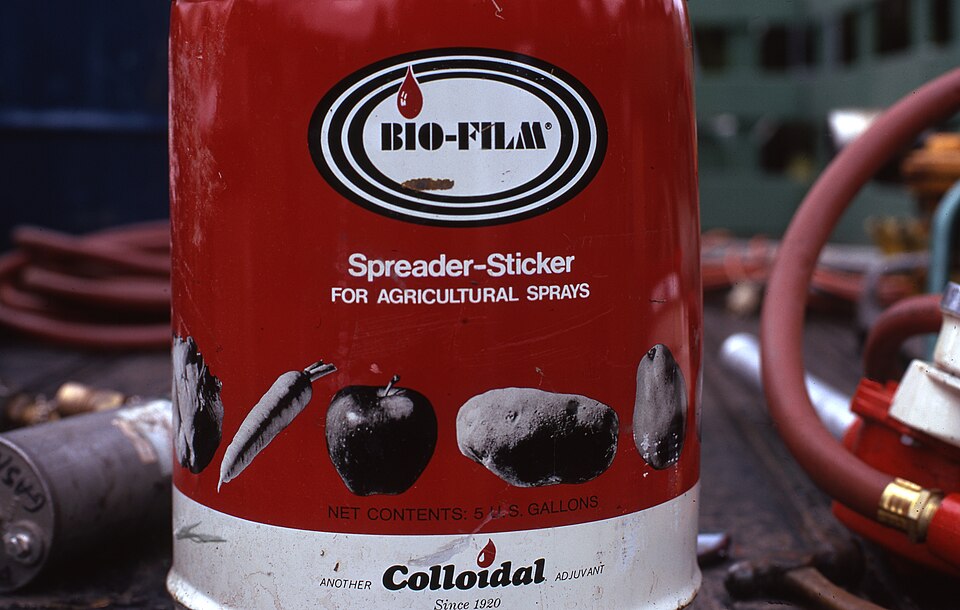
 Photo: R6, State & Private Forestry, Forest Health Protection · Public domain · source ↗
.jpg)
Spray adjuvants and stickers (including shampoo and silicone surfactants)
Spray adjuvants are tank-mix additives that improve pesticide performance by changing the physical and chemical properties of the spray droplet. The adjuvant class covers surfactants (spreaders), stickers, penetrants, buffers and drift retardants. Stickers and surfactants are the most commonly used categories in Indian smallholder spraying.
Principle
A pesticide droplet must wet the leaf, adhere long enough for the active ingredient to penetrate or act, and resist wash-off by rain or dew. Plant cuticles, particularly on glossy or pubescent vegetable leaves, repel water-based sprays and cause droplets to bead up and roll off. Surfactants reduce droplet surface tension so the spray spreads as a thin film across the leaf. Stickers improve adhesion of solid particles to the leaf and reduce volatilisation. Penetrants help systemic active ingredients cross the cuticle into leaf tissue. pH buffers stabilise active ingredients that hydrolyse at extreme pH.
Implementation
Organosilicone (silicone) surfactants are superlative super-spreaders and rainfast stickers, reducing surface tension below 25 mN/m and producing near-instant leaf wetting. Non-ionic surfactants are the standard general-purpose option for waxy-leaf crops. Stickers (latex, polymeric) improve adhesion of wettable powders and granules. Smallholder practice in India sometimes substitutes household shampoo as an emergency surfactant; this delivers weak surfactant action without formulation specificity and can cause phytotoxicity or runoff at overdose.
Adoption context
Commercial vegetable, fruit, cotton and chilli growers use adjuvants routinely in foliar sprays. Brand-name silicone adjuvants are stocked by agricultural input dealers. ICAR and TNAU extension materials recommend appropriate adjuvant selection by crop and pesticide formulation. Household-shampoo substitution remains common on smallholder fields where commercial adjuvants are unavailable or unaffordable.
Limitations
Adjuvant overdose can phytotoxify the crop, cause droplet runoff that wastes active ingredient, and amplify systemic uptake into harvest-ready produce in ways the residue label does not account for. Off-label shampoo and detergent additives have no formulation control and can interact unpredictably with the pesticide active ingredient. Adjuvant rates depend on the pesticide class and target pest, requiring more agronomic literacy than smallholders typically receive.
Related entries
See also Pesticide Toxicity Colour Codes, Ipm Vegetables, Ipm Chilli Spray Schedule and Groundnut Foliar Spray Schedule.
References
- Silicone Adjuvants in Agriculture. Brewer International.
- Spray-tank Adjuvants. Pacific Northwest Pest Management Handbooks.