 Photo: Samuele Pellegrino · Pexels License · source ↗
Apple fire blight (Erwinia amylovora) - quarantine watch
Fire blight is a bacterial disease of apple and pear caused by Erwinia amylovora (Enterobacterales: Erwiniaceae). It is one of the most destructive diseases of pome fruit globally and has not been reported from India. Fire blight is a notified A-1 quarantine pest under India's Plant Quarantine (Regulation of Import into India) Order, 2003. Indian apple growers, ICAR-CITH Srinagar and the Directorate of Plant Protection treat fire blight as a watch-list pest and screen all imported planting material and fresh fruit for symptoms.
Identification and symptoms
- Blossom blight: water-soaked, wilted, brown-to-black flowers; bacterial ooze (creamy, sticky) may be visible at the base of the pedicel.
- Shoot blight: young shoots wilt and bend into the characteristic "shepherd's crook"; leaves blacken from the tip downward but stay attached to the shoot for weeks.
- Canker: sunken, dark, slightly cracked lesions on woody stems, with reddish-brown discoloration of the bark underlying.
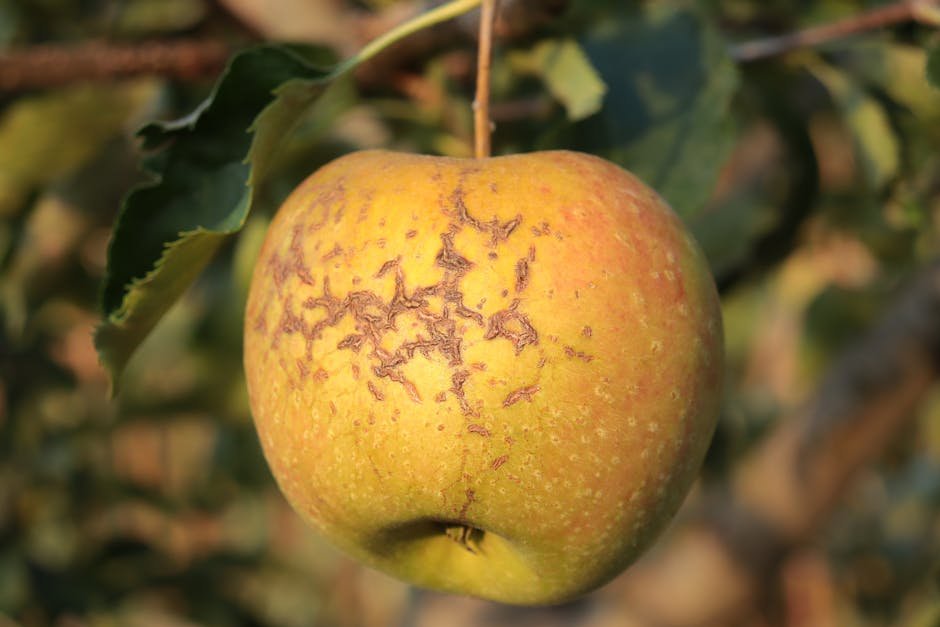
- Fruit blight: greasy water-soaked spots on immature fruit which exude amber ooze in humid weather.
The shepherd's crook + black-attached-leaves combination is diagnostic in the field.
Hosts and lifecycle
Hosts: apple, pear, quince, loquat, raspberry, hawthorn and many Rosaceae. The bacterium overwinters in margins of cankers on stems; in spring, exudate (ooze) is dispersed by rain-splash, insects (especially honey bees during bloom), pruning tools and contaminated nursery stock. Optimum infection: 24-28 °C plus rain or humid bloom-time conditions. Hail and wind injury create entry wounds. Disease cycles rapidly during bloom: one warm wet bloom can collapse an entire orchard.
Why it matters for India
Fire blight is the principal reason India's import phytosanitary requirements bar apple and pear planting material from countries where fire blight is present (USA, UK, parts of EU, New Zealand, China). Should fire blight enter Kashmir or HP, it would devastate the Royal Delicious / Red Delicious dominated orchards, particularly HDP blocks where dwarfing rootstocks M-9 and M-26 are highly susceptible. The MM-series rootstocks and Geneva-series (G.11, G.41, G.935 — fire-blight resistant) are being evaluated as future-proof alternatives.
Management
In the absence of disease in India, "management" is import quarantine and orchard biosecurity:
- Import quarantine: no apple/pear/quince planting material imported from fire-blight-positive countries except through Plant Quarantine post-entry quarantine. Imported fresh fruit must come from pest-free areas of production.
- Surveillance: ICAR-CITH and state horticulture departments inspect orchards at bloom and post-bloom for shepherd's-crook symptoms; suspect samples are sent to ICAR-NBPGR / NIPHM for confirmation.
- If detected (international protocol): prune infected wood 30 cm below the visible canker margin during dormancy, dipping tools in 1% sodium hypochlorite between cuts; copper or streptocycline-based bloom-time sprays (where permitted); plant fire-blight-resistant cultivars (Liberty, Enterprise, Freedom) and rootstocks (G.41, G.935).
Related pages
See also: Royal Delicious, Red Delicious, apple rootstocks, HDP, apple scab, codling moth.
Sources
- Plant Quarantine Order, 2003. Department of Plant Protection, Quarantine & Storage.
- Apple Fire Blight. ICAR-CITH Srinagar.
- Erwinia amylovora. CABI Compendium.