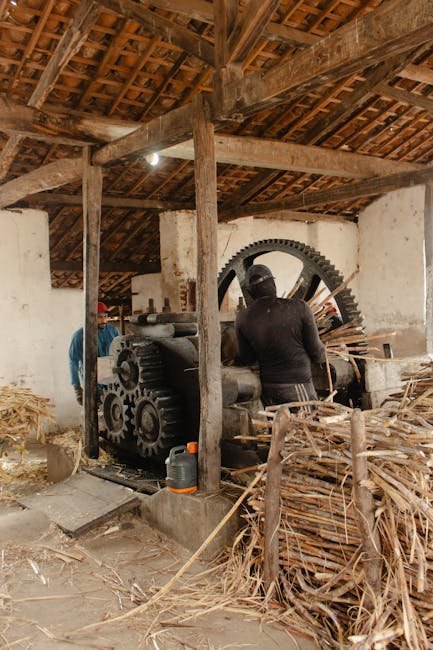
 Photo: Jefferson Lucena · Pexels License · source ↗
Ethanol Blending Programme (EBP) — sugarcane and E20
The Ethanol Blending Programme (EBP) of the Government of India mandates progressive blending of ethanol with petrol — starting from 5% (E5) in 2003, scaled to 10% (E10) achieved in June 2022, and targeting 20% (E20) by 2025-26 (advanced from the original 2030 target). EBP is the single most important demand-side policy lever for Indian sugarcane in the 2020s because it diverts surplus cane and B-heavy molasses into fuel-grade ethanol, supporting cane price realisation, mill cash flow and FRP payment compliance.
Overview and launch
EBP was launched in 2003 by the Ministry of Petroleum and Natural Gas under the Petroleum (Amendment) Act, with Oil Marketing Companies (IOC, BPCL, HPCL) as the implementing agencies. The 2018 National Policy on Biofuels (revised 2022) brought sugarcane juice, B-heavy molasses, C-heavy molasses, damaged food grains, surplus rice from FCI and maize starch into the eligible feedstock list. The June 2021 NITI Aayog "Roadmap for Ethanol Blending in India 2020-25" set the E20-by-2025-26 target.
Eligibility (feedstock and supplier)
- Eligible feedstocks: sugarcane juice (most premium); B-heavy molasses; C-heavy molasses (lowest premium); damaged food grains and broken rice from FCI; maize; surplus rice
- Eligible suppliers: standalone distilleries with environmental and excise clearances; sugar mill integrated distilleries; grain-based distilleries
- Suppliers must register with DFPD (sugar route) or Ministry of Consumer Affairs (grain route) and submit ethanol on long-term tender contracts to OMCs
Benefit and structure (sugar season 2024-25)
- Cane juice / syrup route ethanol: Rs 65.61 per litre (highest paid by OMCs)
- B-heavy molasses route ethanol: Rs 60.73 per litre
- C-heavy molasses route ethanol: Rs 56.58 per litre
- Maize-based ethanol: Rs 71.86 per litre
- Damaged food grain (DFG) ethanol: Rs 64.00 per litre
- For a sugar mill, every tonne of B-heavy molasses route ethanol effectively pays the equivalent of about 25-30 kg of crystal sugar — making ethanol a profit cushion when ex-mill sugar prices are weak
Implementation
- DFPD allocates annual cane diversion quantum and ethanol uplift volumes to mills
- OMCs issue annual ethanol supply tenders (October to September sugar year) and pay through a centralised price uplift mechanism
- Cane Commissioners of UP, Maharashtra, Karnataka and Tamil Nadu monitor sugar-to-ethanol diversion against state cane availability
- Centre had earlier (2023-24) restricted juice-route ethanol after estimating tight sugar stocks, but reopened diversion for 2024-25 once cane supply normalised
- 10% blending was achieved nationally in June 2022; by October 2024, blending crossed 13% en route to 20% by 2025-26
How farmers benefit
Indirectly, EBP pushes mill margins above the FRP-recovery break-even point. The ethanol uplift per cane tonne is comparable to or higher than the sugar margin in low-price sugar years, which means mills can clear FRP arrears even in surplus-sugar seasons. Western UP, central Maharashtra and southern Karnataka have all reported faster cane payment cycles after the 2018 EBP price uplift, with 14-day FRP compliance rising from ~70% to ~92% by 2023-24. The cane-juice and B-heavy routes are the most farmer-favourable because they monetise sugar without producing it.
Limitations
- Sugar diversion to ethanol can over-tighten domestic sugar supply if poorly timed against weather or pest events (2023-24 restriction episode)
- Vehicle compatibility — pre-2023 vehicle fleets are E10-rated; E20 requires flex-fuel calibration and is still being rolled into the new vehicle population
- Ethanol production growth depends on standalone distillery capacity addition, which lags cane supply spikes by 1-2 years
- Water footprint of cane-derived ethanol (about 3000 L water per litre ethanol) raises sustainability questions, particularly in Maharashtra drought zones
Related pages
See also: Sugarcane crop, Sugarcane FRP, Sugarcane SAP, Sugarcane recovery percentage, Co 0238 sugarcane, Bagasse fuel.
Sources
- Ethanol Blending Programme. Ministry of Petroleum and Natural Gas.
- Roadmap for Ethanol Blending in India 2020-25. NITI Aayog.
- Sugarcane to ethanol. Department of Food and Public Distribution.